 WorkforceOS
HR Operations
Employee Records and HR Document Management: What to Keep and How
· ATTPL WorkforceOS Team

Labour inspections, audits, disputes and even simple salary certificates all depend on accurate employee records. Yet in many companies HR files are scattered across cupboards, email and personal drives.
What a personnel file contains
- Application, offer letter, appointment letter and signed policies
- Identity, address and educational documents as required
- Bank, PF, ESI and tax details
- Nominations and emergency contacts
- Appraisals, promotions, transfers and salary revisions
- Disciplinary records, if any, and exit documents
Statutory registers and returns
Labour laws require registers and records such as wages, attendance, leave, overtime and accidents, along with returns filed with authorities. Many states now allow electronic maintenance. Under the Labour Codes, formats are being simplified; check the rules that apply to your state and establishment. Our payroll compliance guide covers related filings.
How long to keep records
Different laws prescribe different retention periods, and tax and PF records may need to be kept for several years after an employee leaves. Write a retention schedule with your legal adviser, and keep records longer where disputes or claims are pending.
Protect personal data
Employee records contain sensitive personal data. Limit access by role, avoid sharing documents over personal messaging apps, and keep audit trails. The Digital Personal Data Protection Act, 2023 sets duties on data fiduciaries; see the DPDP readiness checklist from ATTPL Consultancy.
Go digital step by step
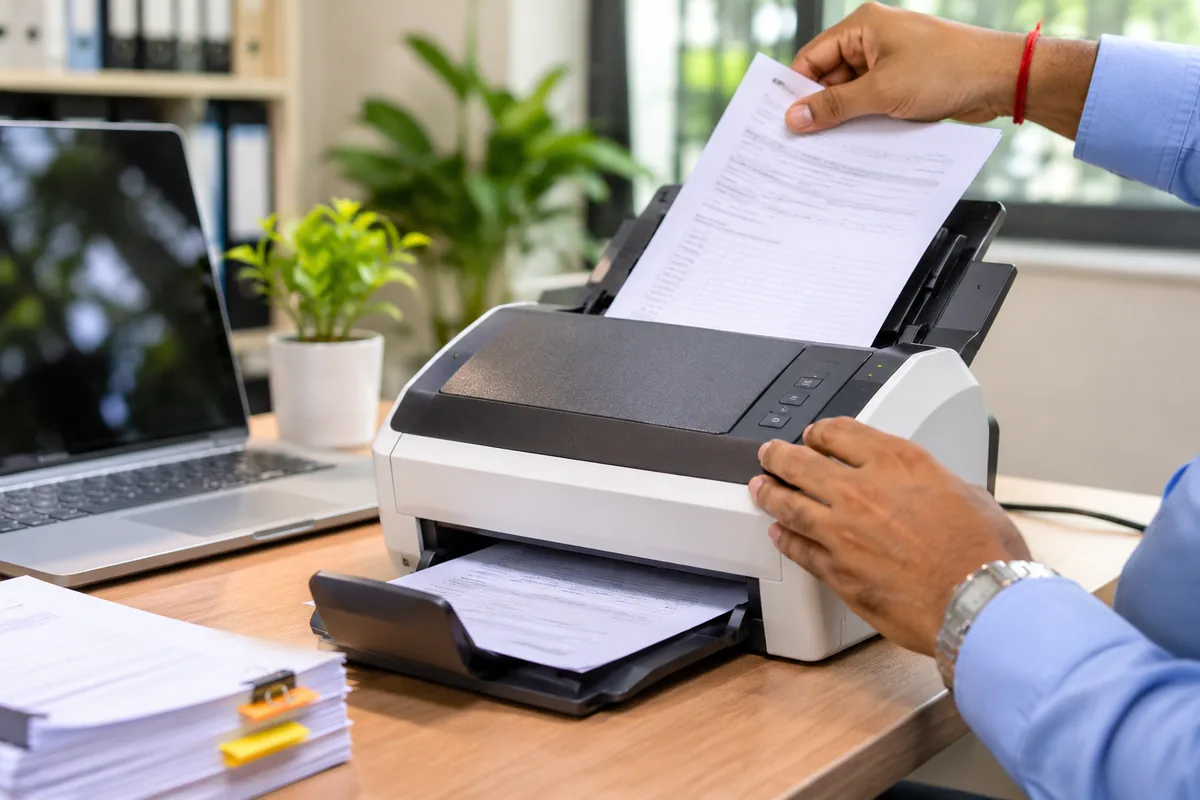
Scan existing files into a standard folder structure, name documents consistently, and collect new documents directly through an employee self-service portal. Link records to onboarding and exit processes so nothing is missed.
Use the HRMS
ATTPL HRMS stores employee documents with role-based access, expiry reminders and audit trails. Group companies can align record-keeping using ATTPL HOLDCO's guide to statutory registers.
Frequently asked questions
Can HR records be kept only in digital form?
Many states allow electronic registers and records. Check the rules that apply to your establishment.
Who should have access to employee files?
Only people who need them for their role, such as HR and payroll, with access logged.
What happens to records after an employee leaves?
Keep them for the periods required by law and your retention schedule, then dispose of them securely.
Sources
This article is general information, not legal advice. Labour law rules vary by state and establishment and are changing with the Labour Codes; confirm the current position before applying any policy.
See WorkforceOS in action
HRMS, attendance, leave, payroll and hiring in one platform for Indian businesses.